

The problems that some countries are facing are partly due to the fact that lenders that had too much cash due to their loose monetary policy were not cautious in their strategies, Balcerowicz said. “I would not recommend banks to resume lending all of a sudden, without analyzing the risks,” the economist added. However, he indicated that blaming only bankers for the economic crisis would not be fair, because the downturn is more likely the result of errors in public policies.
Regarding Romania’s joining the euro zone, Balcerowicz said that this step cannot be taken without fiscal reforms to narrow deficits in a sustainable manner. “The euro is good, but it does not replace adequate policies,” he said. Balcerowicz, former President of the National Bank of Poland, was initially criticized for the shock therapy applied to the Polish economy in the 1990s. But the Balcerowicz Plan is now considered an example, and Poland is the only country in the region whose economy continued to grow in spite of the global crisis.
“It is true that Poland avoided recession, but we too suffered a sharp slowdown, of some five percentage points, to one percent, but this is better than minus 20 percent or minus 10 percent, as will be the case of some Central and Eastern European economies,” Balcerowicz indicated. What are the reasons for this difference? Firstly, the size of the economy.
“We suffer less because exports have a more limited role,” the economist said. The second reason is related to policies, considering that the increase in real estate lending was rapid in Poland, but not as fast as in other countries in Eastern Europe. “I preferred a conservative monetary policy, and tried to slow an excessive increase in foreign currency lending,” the former President of the National Bank of Poland added.
But to what extent should the weak economies of EU newest members rely on radical reforms, included in a single package and all applied simultaneously? “We now have many studies indicating that if you reform more in the direction of a market economy, the more stable the macroeconomic policies, the better. This was at the heart of the economic program launched in 1990,” Balcerowicz indicated.
When asked what should be the first item on the agenda of European leaders in their joint efforts to overcome the crisis, Balcerowicz said that the main preoccupation should be similar to that in medicine, namely to do no harm. “Protectionism and harmful European-level state interventions must be avoided. Secondly, it is necessary for the single market, the most important European initiative for all member states, must be completed. And I believe that the directive regarding services should be expanded. There is a need for greater liberalization of services and a revitalization of the Lisbon agenda, which requires national reforms, so that European economies become much more dynamic and productive”, the economist stressed.
Balcerowicz: First analyze risks, then resume lending!
Publicat la 15.09.2009, 21:00:00

Newsletter zilnic money.ro
BET, curs valutar, știrea zilei — în 2 minute, înainte de 7:00.
Articole înrudite

Actualitate
Nutella ”Fabricat în România”? Grupul italian Ferrero ridică o fabrică la Timișoara

Actualitate
România în care nu mai merită să fii sărac. Dar nici bogat nu e chiar simplu să fii
Actualitate
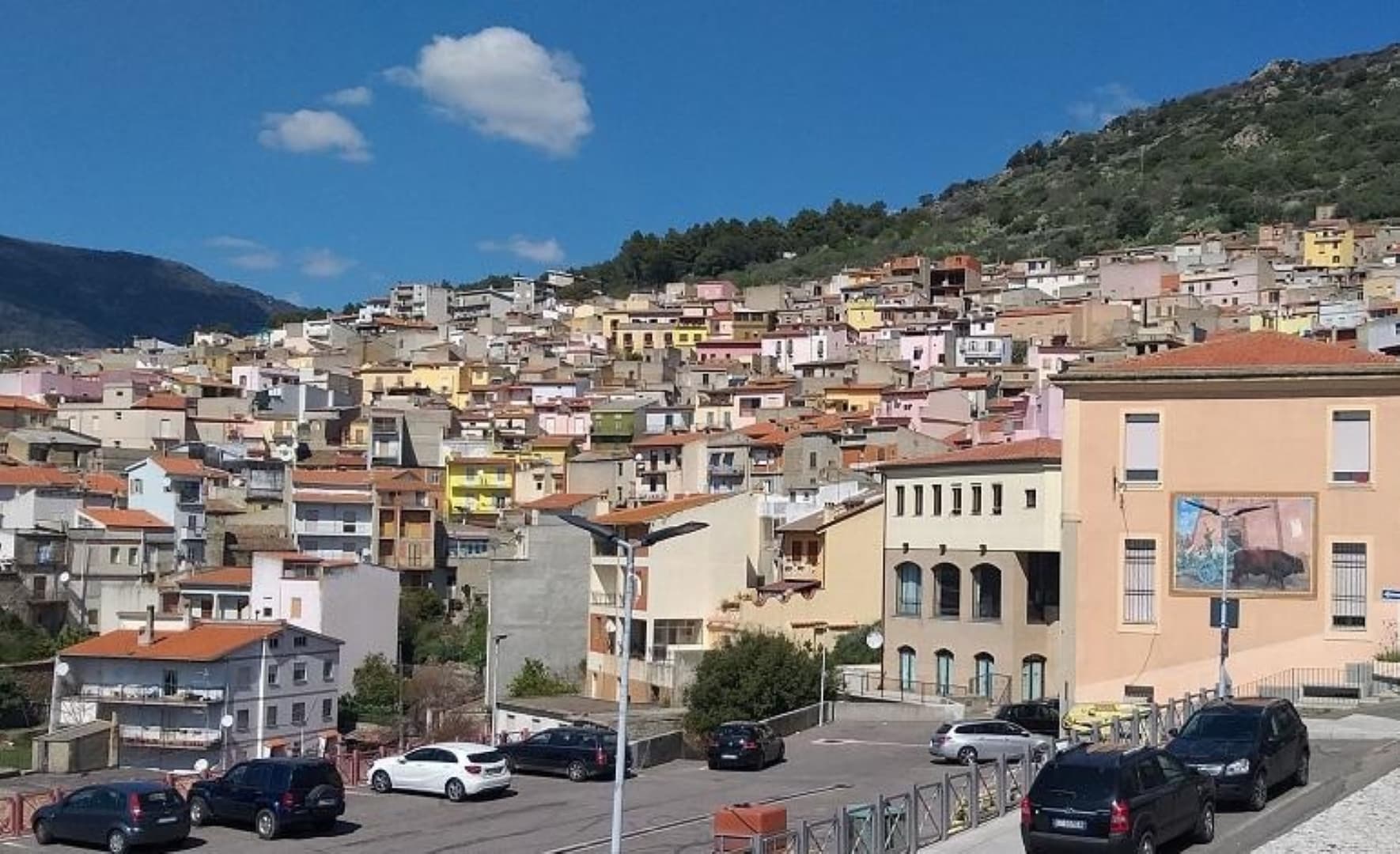
Secretul longevității? În acest sat, femeile ajung la 100 de ani într-o proporție neobișnuit de mare

Actualitate
Astăzi în istorie, 8 octombrie: FMI avertizează lumea de criza din 2008

Actualitate