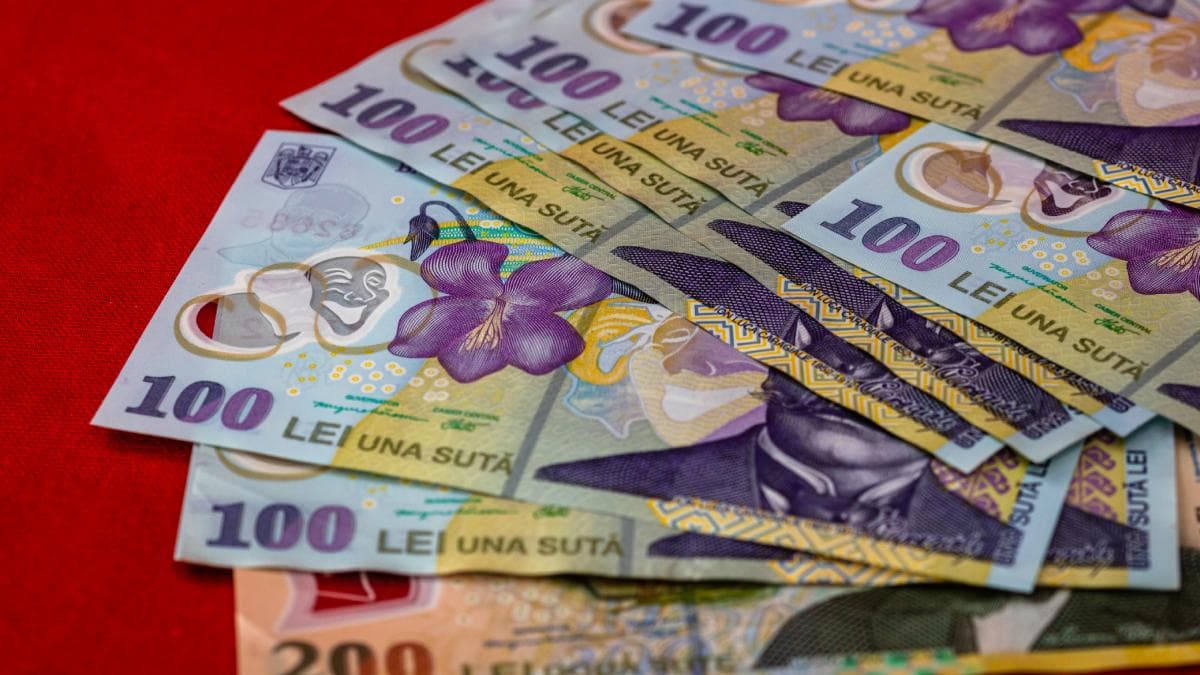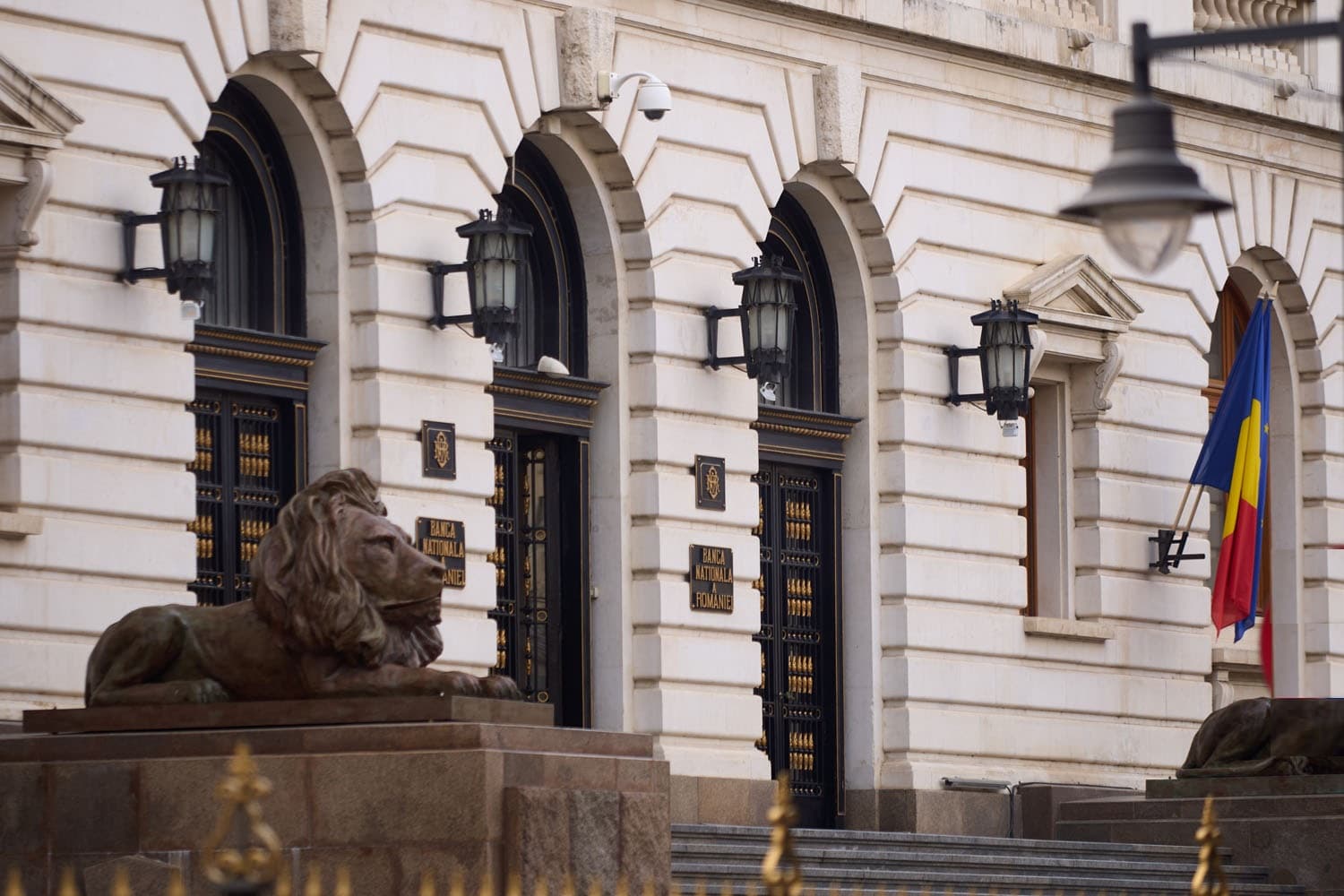

Most market players expected the key interest rate to be maintained at its 10 percent level. Furthermore, some economists labeled a 0.25 percentage point cut a brave act, which would be a sign of the central bank’s optimism regarding the evolution of the Romanian economy. Analysts and bankers took this measure as a sign of a looser monetary policy and concern by the central bank that lending be re-launched. “It is a clear signal that interest rates must drop. Even if this does not happen immediately, interest must decline. There are many banks with sufficient liquidity that should cut loan prices. However, lenders should cut interest rates by several percentage points to make these attractive,” Dan Pascariu, Chairman of the Supervisory Board of UniCredit Tiriac Bank, told Business Standard.
Radu Gratian Ghetea, President of the Romanian Banking Association (ARB), said that the effects of this 0.50 percentage point cut will show in time. “It is clear that banks must cut interest rates. But they must cut this in an acceptable area, so that companies are interested in borrowing again,” Ghetea told Business Standard. Pascariu added that the central bank chose the moment very wisely, in order not to affect the national currency in a negative way. “Normally, a cut in the key rate generates a depreciation of the national currency, but this did not happen in Romania because this action came at a very favorable moment for us: as we received the money from the IMF [International Monetary Fund],” UniCredit Tiriac Bank’s Supervisory Board Chairman indicated.