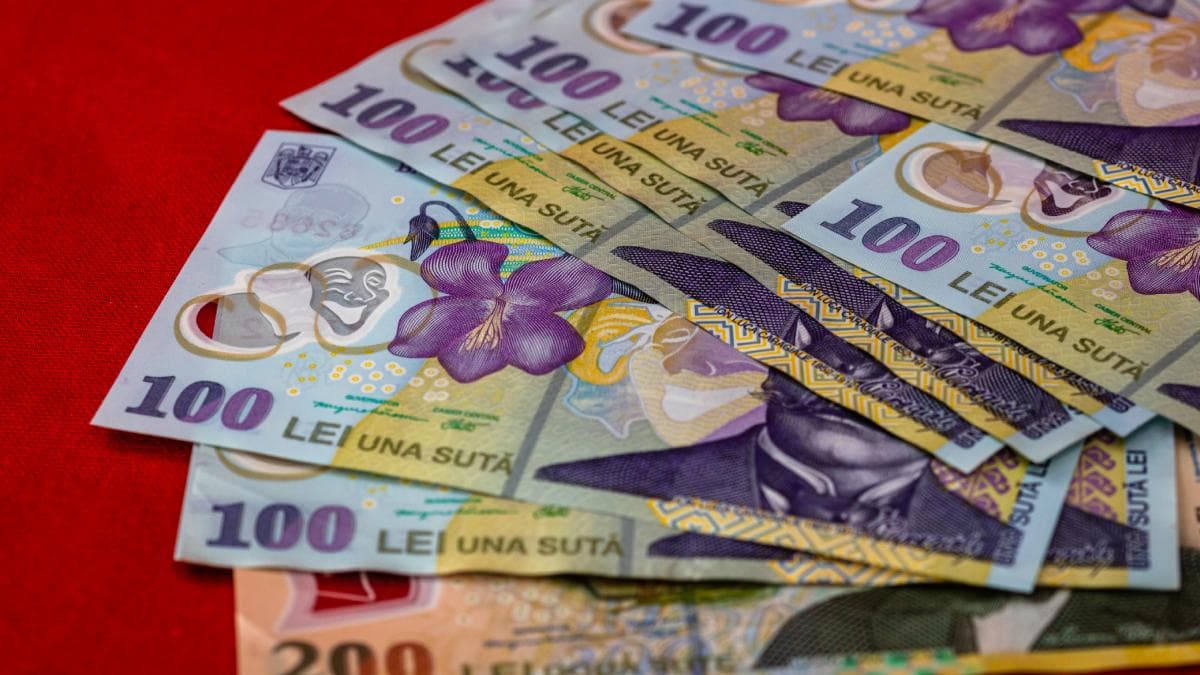

Japan, Turkey, and South Africa are expected to enter a currency depreciation trend, indicates Citigroup, which makes these countries attractive as import sources. These estimates follow high fluctuations in this year’s first weeks, which brought massive currency appreciations in Brazil, Chile, and Japan that, correlated with the depreciation of the leu, generated potential earnings of up to 20 percent.
“The exchange rate could be an advantage for Romanian exporters. Moreover, now that our products are competitive, we could go to markets where our presence was strong in previous years: South Africa, the Middle East,” Bogdan Baltazar, Financial Advisor, told Business Standard. He added that these markets could be revived, especially since Romanian products, such as furniture, are known there.
Since the beginning of 2009, the U.S. dollar and the euro gained 13 percent and eight percent, respectively, against the leu. However, Romania is confronted with a slowdown in exports, due to the recession in the euro-zone, considering that 70 percent of Romania’s trade is with partners from the European Union.