

“The central bank sold a huge amount of foreign currency to keep the leu in place. When you sell foreign currency, the lei become very strong, and interest rates rise. There currently exists a request from foreigners, who are closing their positions on the leu and opening these on euro, to raise the leu. They believed that the PSD-PNL [Social Democratic Party-National Liberal Party] alliance would win the election, that the IMF [International Monetary Fund] accord will go forward, and that the leu will appreciate. However, this rise in interest rates is mainly due to BNR’s intervention,” said Nicolaie Chideşciuc, Chief Economist at ING Bank.
Analysts say that the two recent state bond issues, which resulted in a RON 2.5 billion (€0.5 bln) infusion into the coffers of the Ministry of Public Finance, likewise contributed to the rise in interbank interest rates. At the beginning of this week, the Finance Ministry sold 12-month maturity discounted Treasury Bonds, worth RON 1.297 billion (€0.30 bln). The initial announced value was RON 1 bln (€0.23 bln), with maximum yield an annual 10 percent.
BNR yesterday posted an average overnight interest rate on the Romanian Interbank Bid Rate (ROBID) of 11.41 percent per year, up from the rate in the previous session, of 9.95 percent a year. For overnight Romanian Interbank Offer Rates (ROBOR), interest increased to an annual 11.92 percent, from a previous 10.45 percent.
“I believe that this rise has two explanations. Firstly, we are talking about a seasonal factor. We are in the middle of December, and demand for lei is great. A second factor relates to the evolution of the exchange rate. The election result did not manage to bring about an appreciation of the leu, and BNR’s intervention was required,” said Narcis Noaghea, Bănca Comercială Română dealer.
BNR forex interventions drive up interbank interest rates
Publicat la 10.12.2009, 22:00:00

Acest articol nu reprezintă consultanță financiară.
Newsletter zilnic money.ro
BET, curs valutar, știrea zilei — în 2 minute, înainte de 7:00.
Articole înrudite
Actualitate
Mașină nouă sau second-hand: care este costul real după cinci ani?
Actualitate
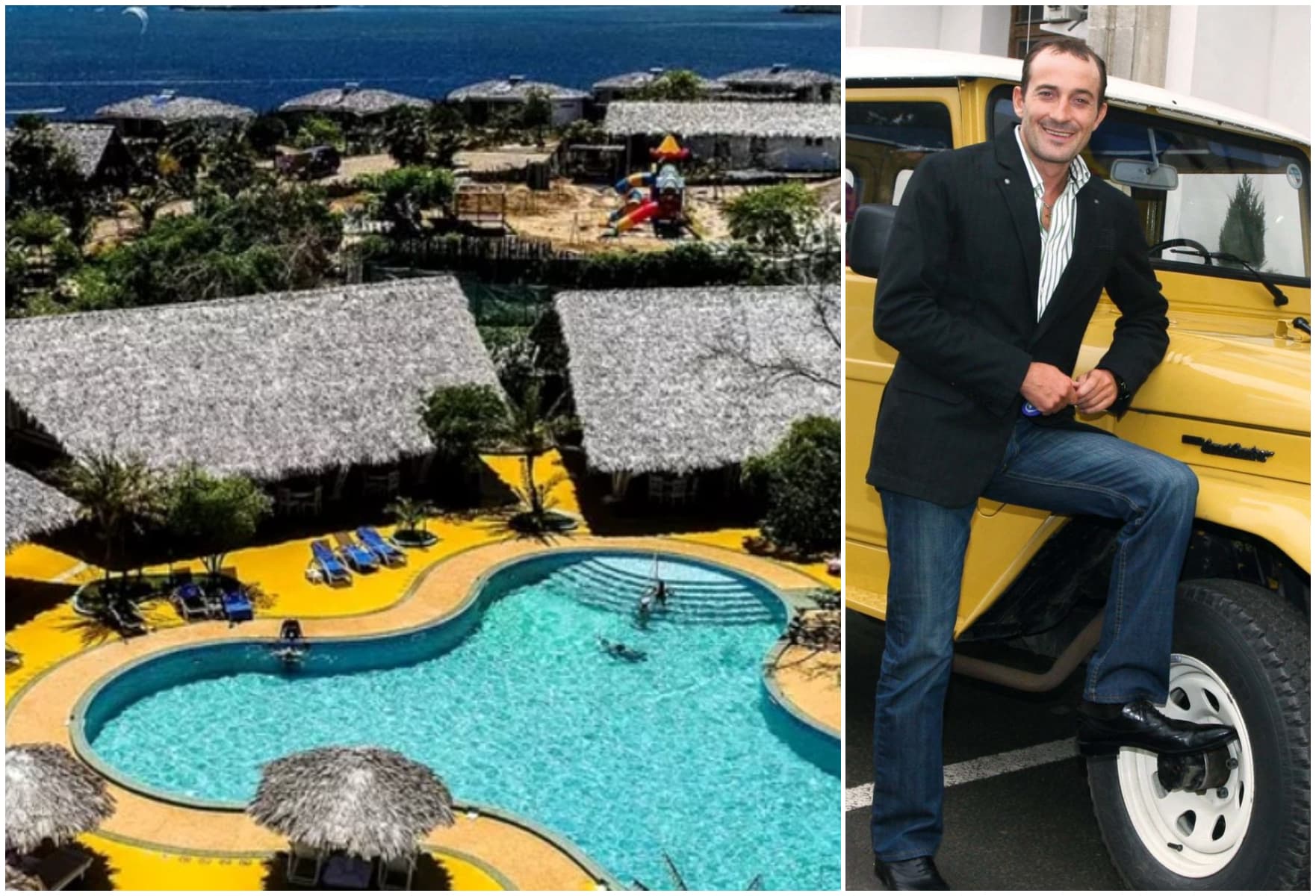
Radu Mazăre și-a mai luat două plaje în Madagascar. Fostul primar și-a transformat resortul în „eco-lux”
Actualitate
WARO – Watching Romania aduce la București prima ediție a unui eveniment internațional dedicat orologeriei independente
Actualitate
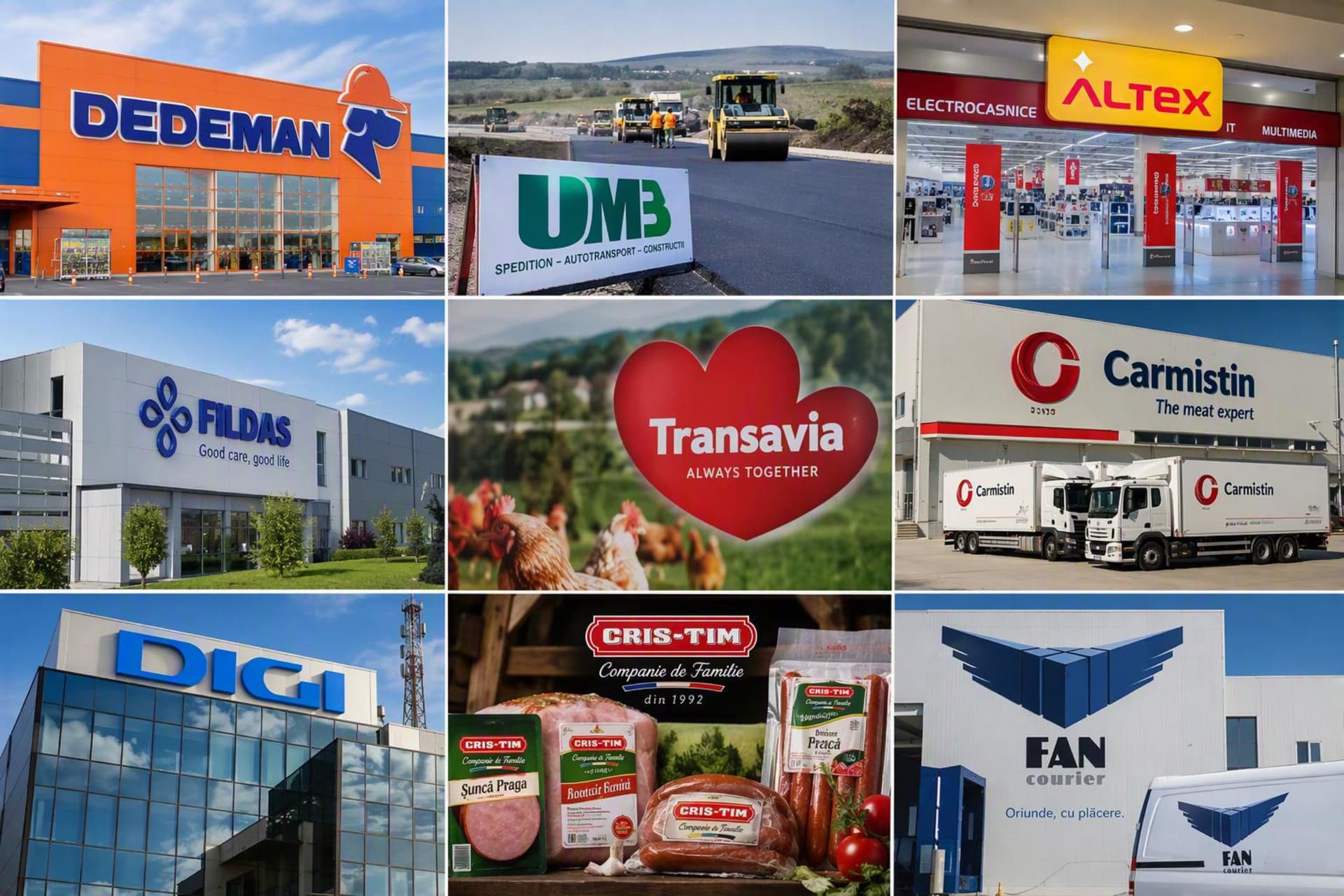
Forța capitalului românesc! Top 100 companii antreprenoriale din România. Cine sunt cei mai puternici oameni de afaceri

Actualitate