

“As supervisor, the worst action I have in view when I am considering proposing a sanction is lying. When a report that does not reflect the reality of a bank is intentionally submitted, I am not given the possibility of making an accurate analysis and a forecast on the evolution of that institution in the coming four-six months,” Cinteză indicated.
The official added that BNR applied fewer sanctions in 2009 than in previous years, but their severity and impact in the system were much more significant. “Not all bank or department managers that left this year willingly gave up their positions or were replaced because shareholders wished this to happen. No, it was BNR’s request. We are not making a public case of this, we do not issue orders. We discuss this with shareholders, and give them a deadline by which to adopt such a measure on their own. Otherwise, if BNR issued a public sanction, that bank would be subject to major risk,” Cinteză explained.
Three indicators to follow the evolution of lenders. “We follow three indicators. The first is the trend registered by provisions, and the second is the evolution of overdue receivables. The two trends are compared to that registered by the profit and loss account,” the Head of BNR’s Supervisory Department said. Thus, if a bank is registering losses, clearly the level of provisions is much higher than that of its operating profit, he added. In other words, that lender’s capacity to make operating profit in order to cover its financial loss is much diminished. “In such conditions, we are resorting to a simulation, to identify how many months the bank can resist without having problems, if these trends are maintained. And we request a capital increase, to raise the bank’s own funds,” Cinteză said. According to the official, the central bank can estimate, give or take a few months, the evolution of a bank in normal market conditions.
“If provisions are lying to me and they are not doing their job, it means I cannot know the trends the bank is registering. The reaction is pretty harsh where we see that provisions do not comply with regulations. It means that my entire supervisory act is based on weak fundamentals, and I am unable to make the right decisions,” Cinteză added.
Cinteză, BNR: There will be very harsh sanctions for banks
Publicat la 20.09.2009, 21:00:00

Newsletter zilnic money.ro
BET, curs valutar, știrea zilei — în 2 minute, înainte de 7:00.
Articole înrudite

Actualitate
Judecătorii au câștigat în instanță un „supliment de salariu” de aproape 5 miliarde de lei. CCR a respins sesizarea lui Bolojan
Actualitate
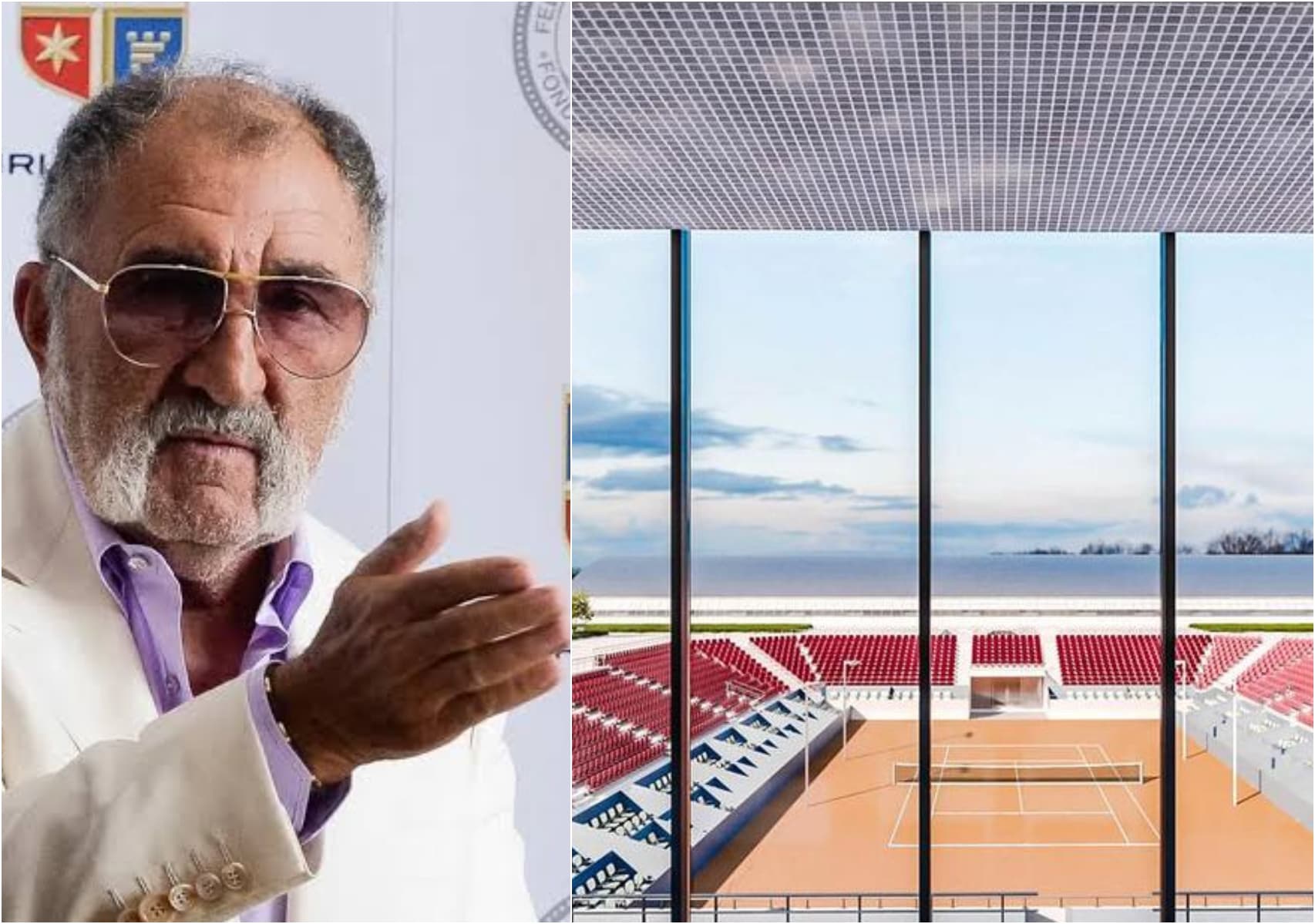
Otopeniul, viitorul oraș al sportului. Arena lui Ion Țiriac, cu 5.000 de locuri, gata în 2027

Actualitate
BucharestFoodSummit: Agricultura și industria alimentară, între tehnologie, presiuni economice și păstrarea tradiției
![[P] Mituri despre creditele online: ce înseamnă proces simplificat și ce nu dispare din analiza financiară](/_next/image?url=https%3A%2F%2Fmoney-ro-cdn.sorin-freciu.workers.dev%2Fstorage%2Fv1%2Fobject%2Fpublic%2Fmedia%2Farticles%2F1791377691821-t2hlggahn5.jpg&w=1920&q=75)
Actualitate
[P] Mituri despre creditele online: ce înseamnă proces simplificat și ce nu dispare din analiza financiară
Actualitate